Budapest

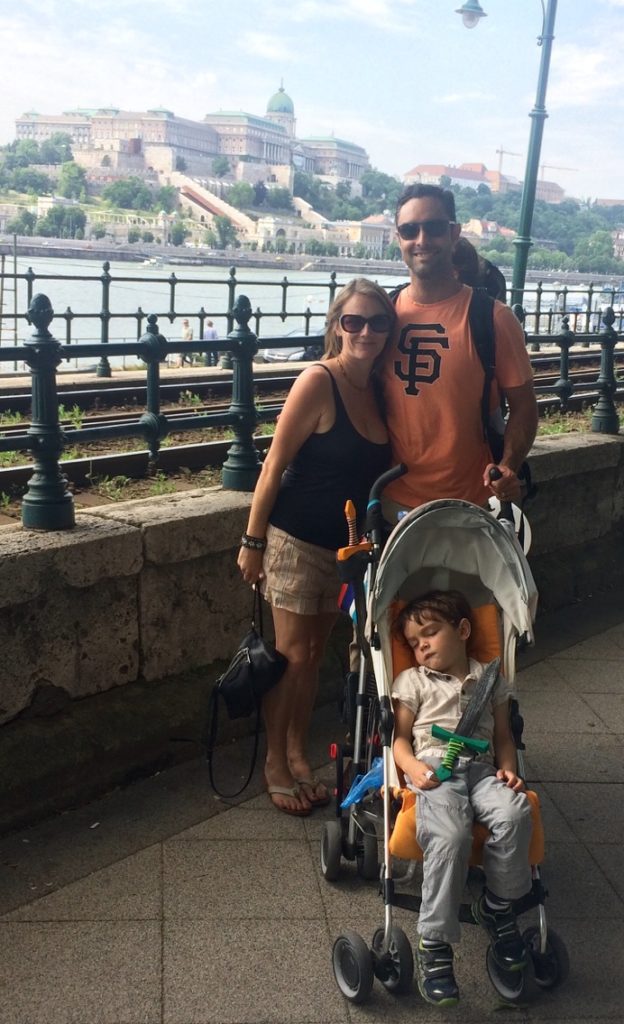
On a warm summer evening, a slow ferry ride down the Danube is the perfect introduction to the capital of Hungary. The myriad majestic sights of Budapest, also known as the Queen of the Danube, provide several stunning views and hints of of the treasures lurking just off the banks. The Gothic-styled Parliament building’s red dome brightly reflects the last rays of light; the Chain Bridge comes alive with twinkling lights dancing along the stone pillars; and Buda Castle looms on a distant hill, with the sun disappearing behind its walls. The river runs wide and free, an ecological divide between distinctly different sides of the city, with the enchanting Margaret Island residing in between.

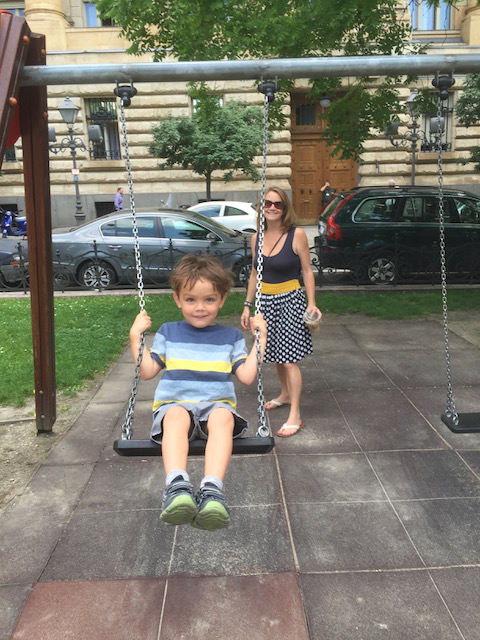
While the history of Hungary lurks around every corner, Budapest today is a bustling metropolis, with clean streets, modern and efficient transportation, and quaint cobblestone streets. Hearty aromas of goulash, sausages and lángos waft from tiny restaurants, enticing tourists, families and youthful partiers who keep the streets busting into the early morning hours. Charming shops offer textiles, art, Turkish lamps and exotic spices.  Narrow streets and alleys wind through the heart of the city, interspersed with museums and galleries, tiny sidewalk playgrounds and ancient churches. Cafes patios fill the sidewalks, with heavy doses of wine, conversation, ice cream treats and often a plume of cigarette smoke. The Gothic architectural gems, towering statues and playful fountains give the city a feeling of exuberance and the people are friendly and always ready to lend a helping hand.

The cities of Buda and Pest united in 1873 to become the 9th largest city in the European Union. They feel like two sides of a coin, with Buda’s sleepy streets providing a perfect contrast to Pest’s rambunctious nightlife. They are linked by several bridges, like threads binding two pieces of disparate fabric. Each side provides exquisite classical architecture, modern transportation, history intertwined with folklore, art and entertainment, cafes and bars, and warm locals, willing to help out even the most clueless tourist.

City Park 

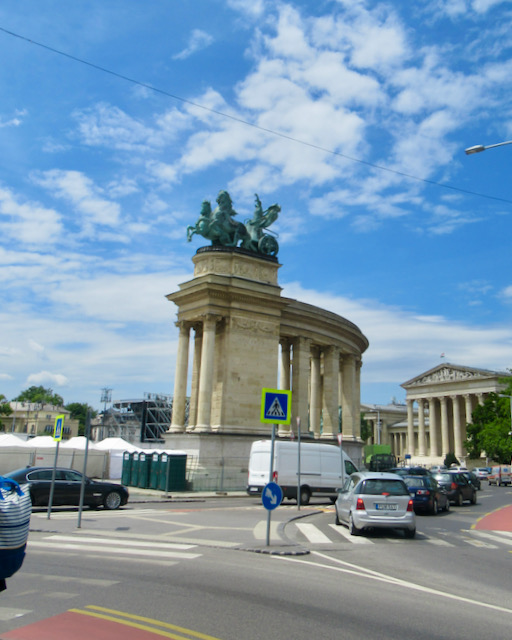
City Park is quite easy to get to by public transportation. The main entrance is Hero’s Square, one of Hungary’s World Heritage Sites. Trees along the main passages date all the way back to 1751 and the area became the world’s first public park in the early part of the 19th century.With its beautiful architecture, rich history, and diverse range of attractions, there’s something for everyone to enjoy in this iconic park.

There are a few restaurants in the park to enjoy breakfast, lunch or just a mid-day drink:
-Gundel Restaurant –  Iconic restaurant serving Hungarian cuisine since 1894. It’s located near the main entrance of City Park.
-Városliget Café and Restaurant: Located inside the Ice Rink and is a more casual dining experience.
-Robinson Restaurant: Located on an island in the middle of the lake. The menu is focused on fresh fish and seafood.
-Kertem: An outdoor bar and restaurant located just outside the City Park; it offers a range of craft beers and casual food options such as burgers and grilled meats. 

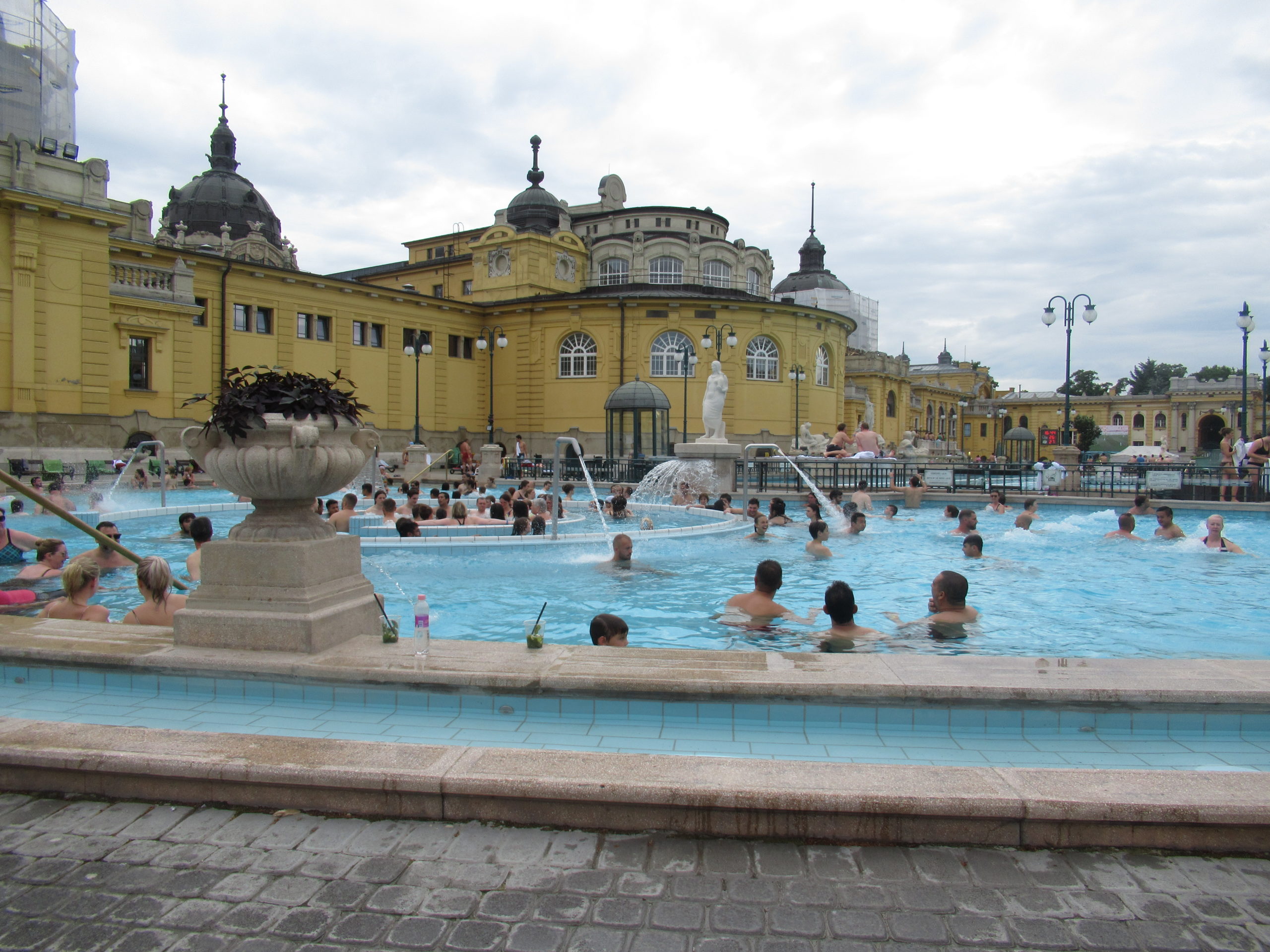
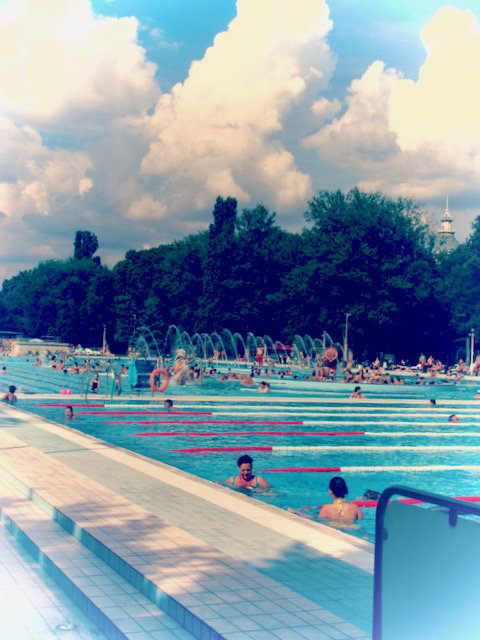
The Szechenyi Bath complex, built in 1913, is one of the most popular attractions in the city, with 18 indoor and outdoor thermal pool fed by thermal springs. It also features saunas, steam rooms, a cafe and other wellness facilities.

They may be better suited for adults, though kids are welcomed. Our boys had a great time splashing in the water and floating in a thermal river that feels a bit like a water version of the roundabout that circles Big Ben.   

These baths are a lovely spot to mingle, read, play a riveting game of chess or admire those confident enough to pose on the elevated platforms around the pools. We happened to be here toward the end of the day, able to enjoy the sun setting beyond all the steamy air with the beautiful yellow buildings gleaming in the last rays of daylight.  You can buy tickets here.

What To Do:
Castle Vajdahunyad was built in the early 20th century, designed to showcase the architectural styles of Hungary throughout the centuries. They often have festivals or events.
– Budapest Zoo is one of the oldest in Europe, established in 1866.
Botanical Garden is a Cultural Heritage site with more than 7000 plant species. 
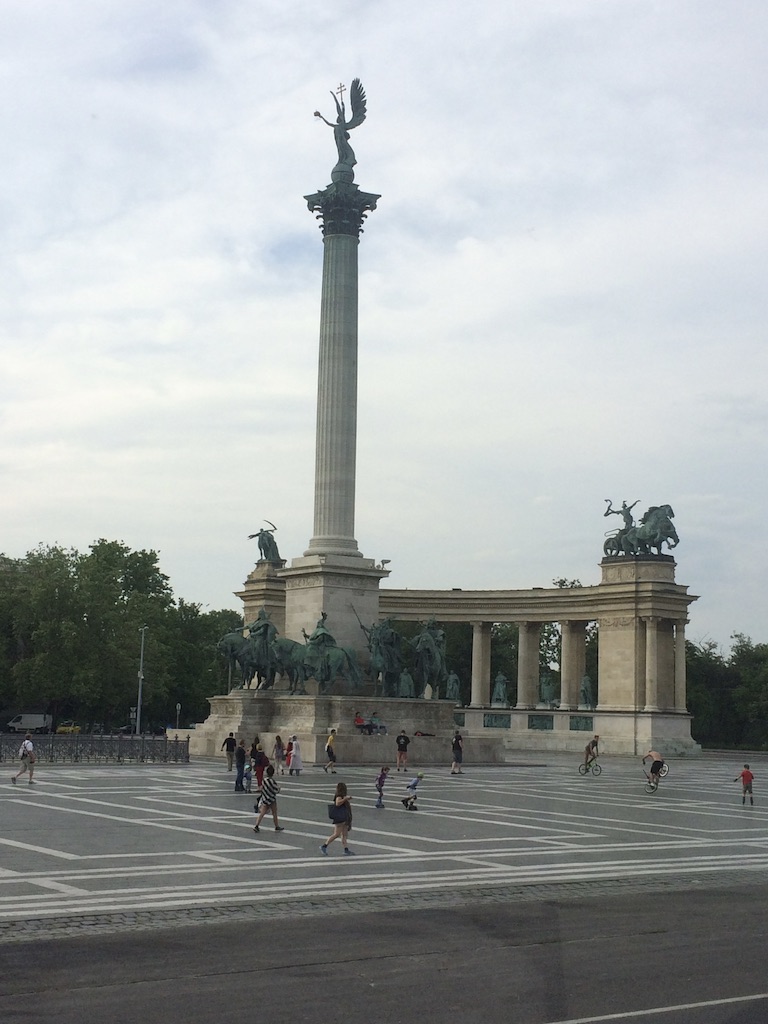
Heroes’ Square lies at end of Andrássy Avenue next to City Park, and hosts the Museum of Fine Arts and the Palace of Art (Műcsarnok). The square A features statues of Hungary’s important historical figures and hosts political events.
City Park Ice Rink, is the largest outdoor ice-skating rink in Europe and would be an amazing place to visit around Christmas time. It is open between November and the end of February.
– Hungarian State Opera House was modeled after the Vienna Opera HOuse with new-Renaissance architecture. It’s beautiful relic to visit for either a tour or a show and hosts both the State Opera and the State Ballet.
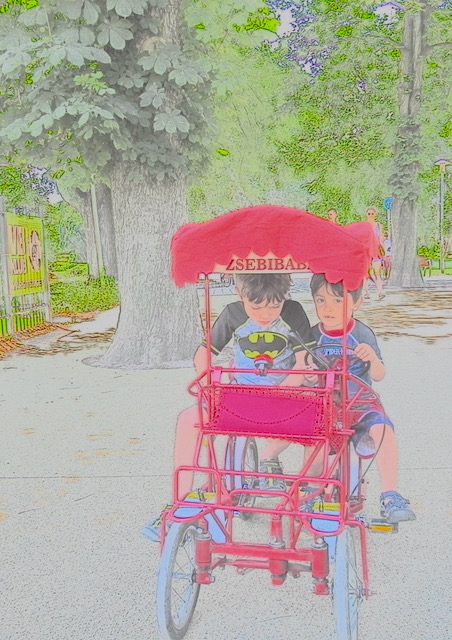
– Rent a bike
-Visit the outdoor trampoline park

Margaret Island 

Margaret Island is located right in the middle of the Danube. It’s fairly large, but you could likely  walk the entire island in an hour or so, taking in the lush landscape, grassy fields, restaurants and medieval ruins. 

Palatinus Baths, located on Margaret Island,  is very family oriented, with 11 outdoor pools that include a wave pool, two childrens pools (one has a pirate ship in it), water slides and cafes with ice cream treats. The baths are fairly modern in style — they opened in 1921 and have had several updates and renovations. With the lush green fields and dense park forests that surround the baths, it’s no wonder they make all the lists for stunning outdoor pools.  

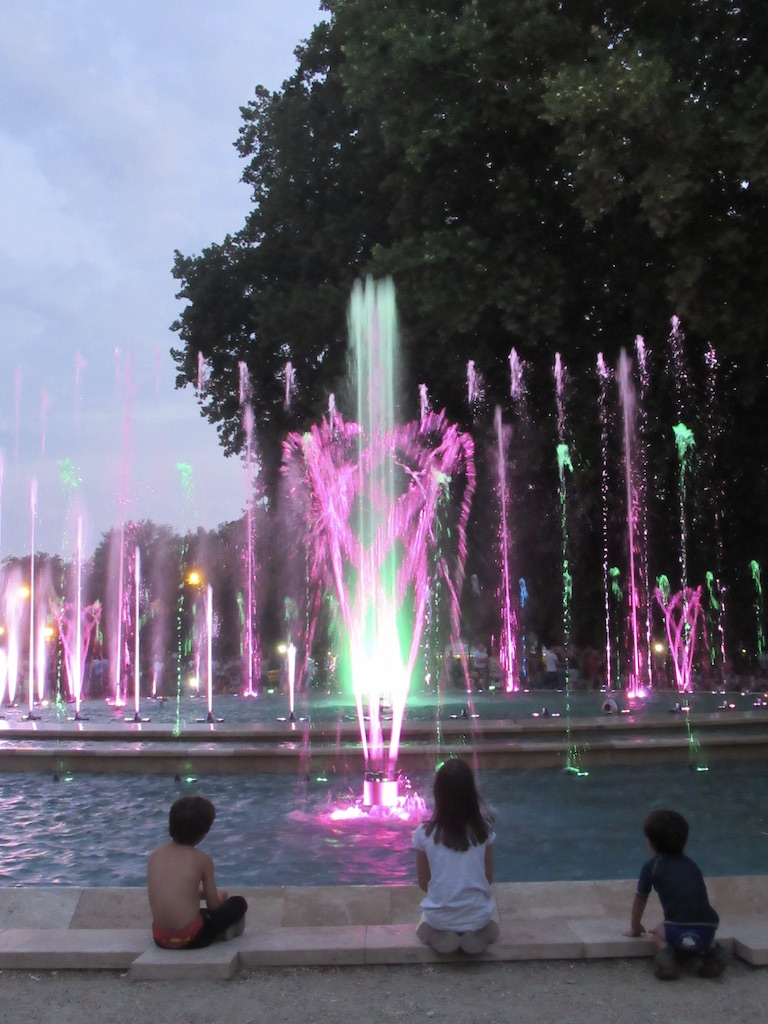
The island is perfect to bring a picnic,  join an outdoor yoga class, rent bikes, visit the Champs Sziget beer garden, taste the langos or goulash at one of several bistros and cafes, enjoy the musical fountain, and visit the rose garden.

Buda Castle 

This is a must-see attraction for history buffs and anyone interested in learning more about the dark side of the city’s past. From the base of the hill, take the Buda Hill Funicular and prepare to be awed by the panoramic views as you ascend to the top. The historic cable car has been in service since 1870 and runs every ten minutes from 8 a.m. to 10 p.m.

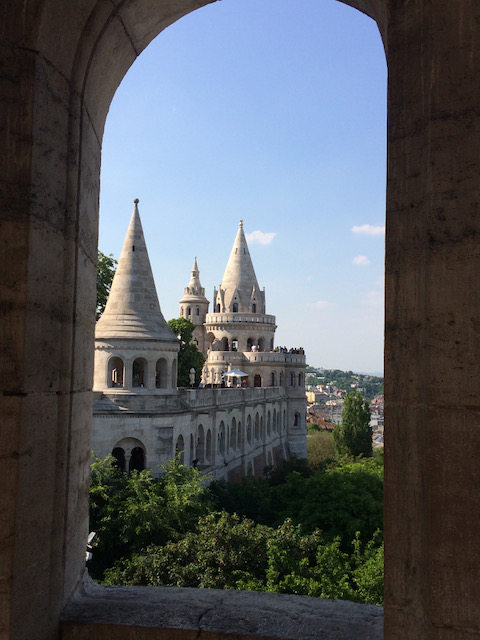
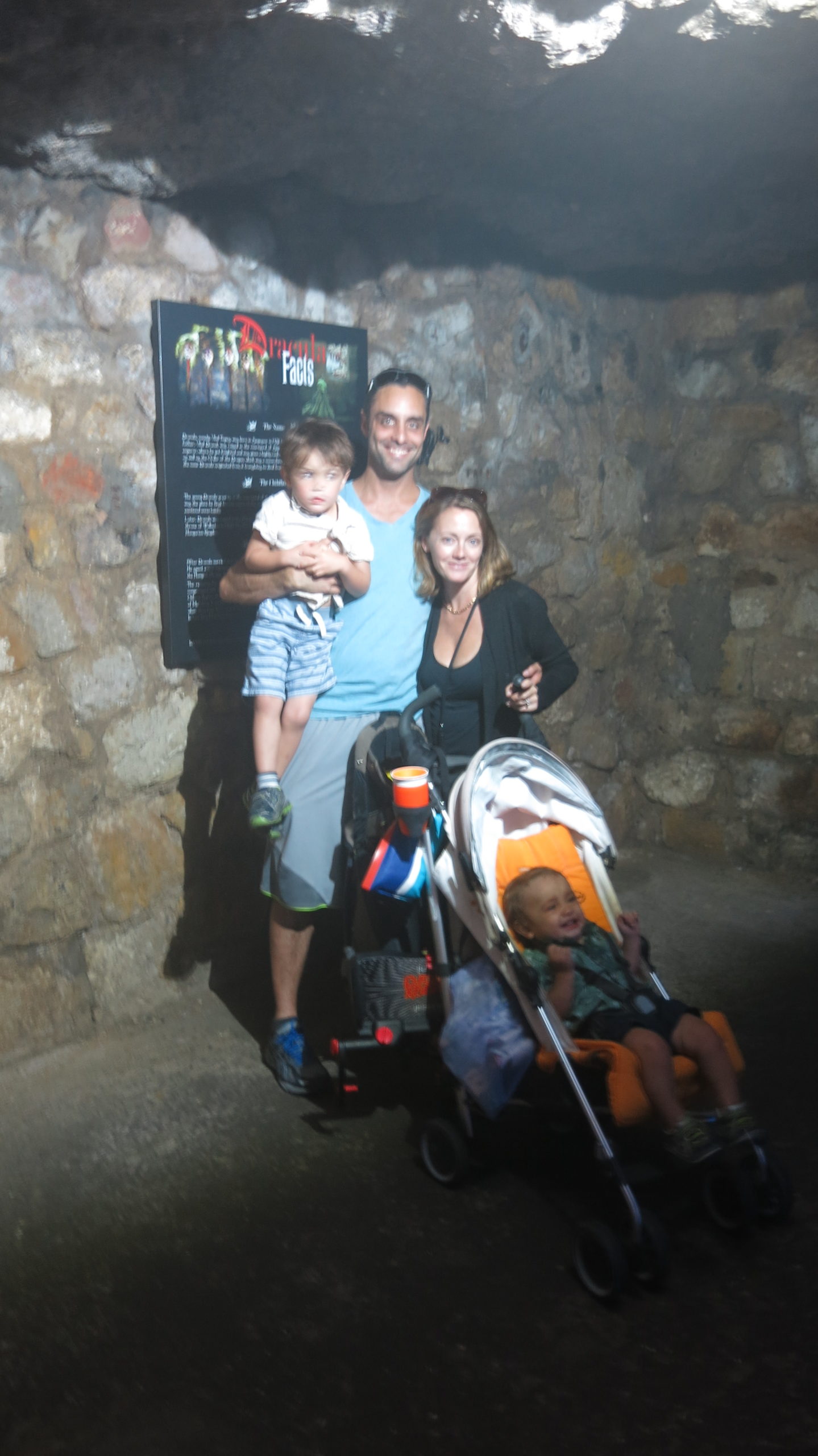
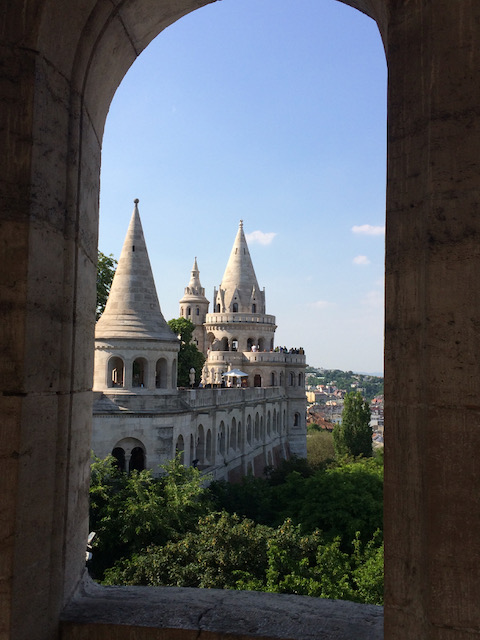
Once at the top, take in the views, visit the Fisherman’s Bastion, and make sure to tour the Labyrinth Under Castle Hill.  With narrow, dark stairways and cold, winding corridors, this tour delivers a heavy dose of mythology (the legend of Dracula) and history (it has been a prison, a shelter and a harem).   If mythological vampire lore isn’t quite eerie enough, you can opt for an evening “oil lamp” tour.-Don’t forget to visit the Faust Wine Cellar to try some wines from Hungary’s 22 wine regions.  Sommeliers give details on the wines, tasting notes and local wine regions.

Dohany Street Synagogue 

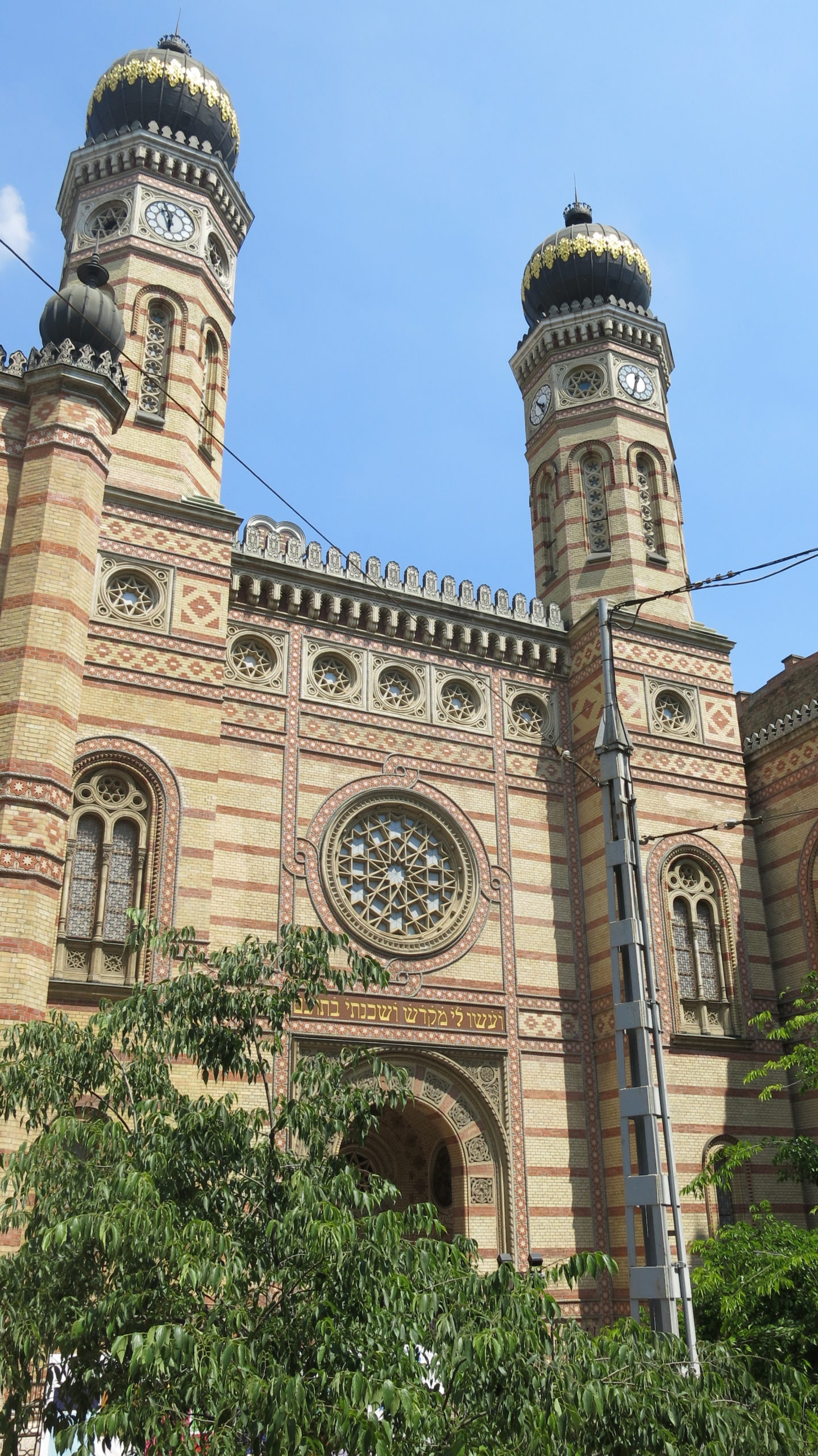
 Also known as the Great Synagogue or Tabakgasse Synagogue, this historical synagogue was built in the Moorish Revival style, modeled on Islamic styles from North Africa and the Alhambra in Granada, Spain. It is the largest synagogue in Europe, and can seat more than 3,000 people.

There is an admission fee to enter the synagogue, and it includes a guided tour of the complex. The fee also includes entrance to the Jewish Museum, the Hungarian Jewish Archives, and the Holocaust Memorial Center. 

Visitors are expected to dress modestly, with no shorts, bare shoulders, or revealing clothing allowed. Head coverings are required for men and women inside the synagogue.
 

Hungarian Parliament Building

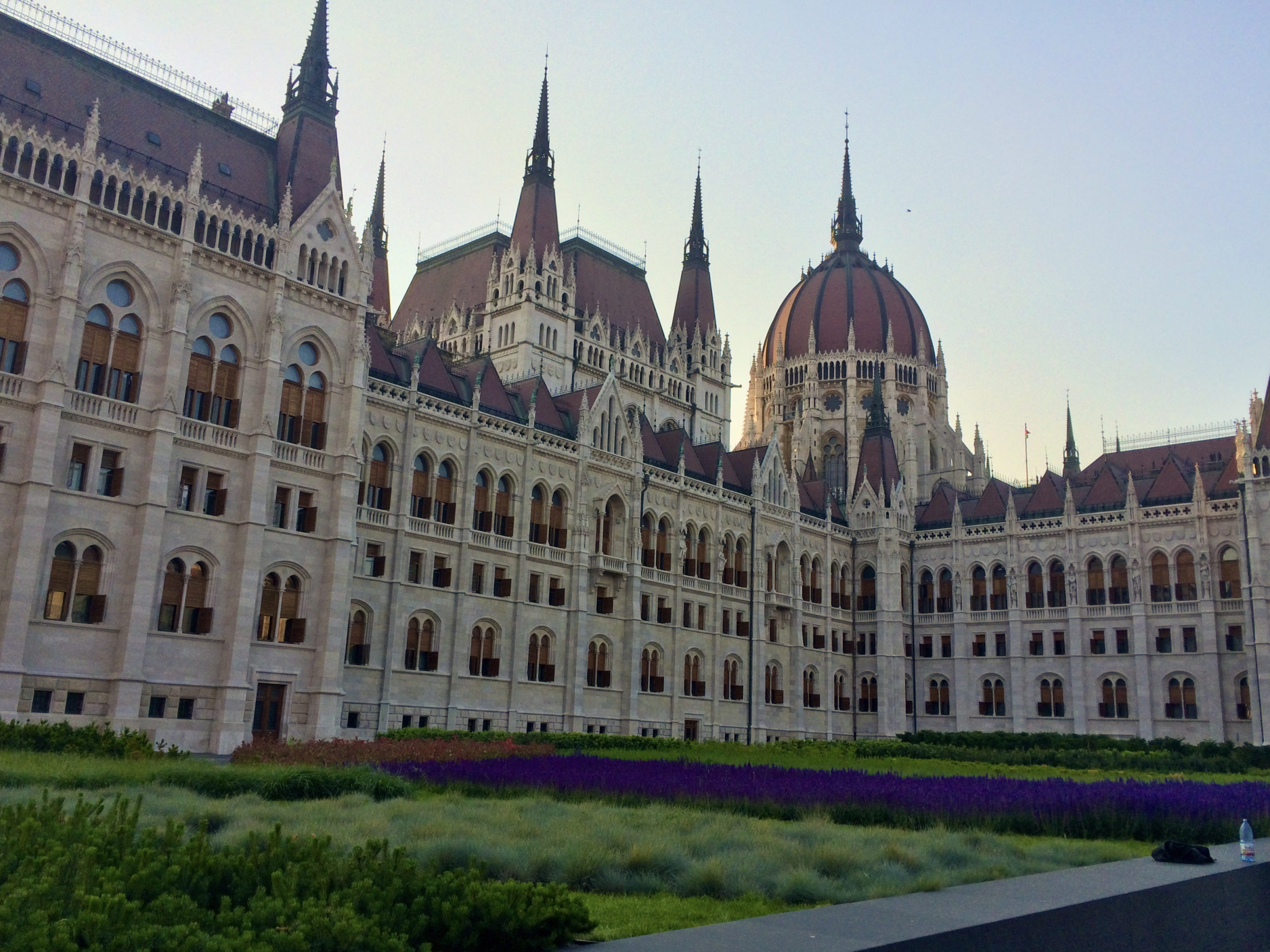
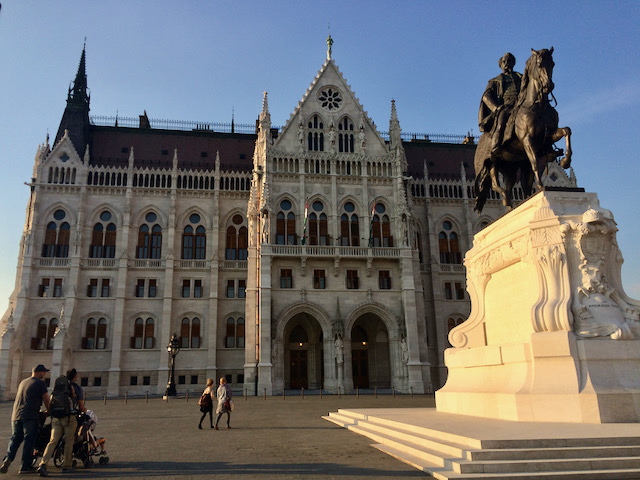
Located on the Pest side of the Danube, this exquisite building is everything you ever wanted from Eastern European new-gothic architecture. The building spans 18,000 square meters and showcases perfect symmetry with ornate cream-colored facades providing stark contrast to deep crimson of the roofs and famous red dome, which is 96 meters high and topped by a golden cross.. Gargoyles and other mythological figures adorn the roof, while statues of important historical figures stand watch in the lush grounds and gardens that surround the building. 

The Parliament Building is open for visitors every day except for some holidays. The guided tours are available between 8:00 AM and 6:00 PM, and it is recommended to book your tickets in advance.  The guided tour lasts about 45 minutes and is available in several languages, including English. It covers the history and architecture of the Parliament Building, as well as the legislative process and the role of the Hungarian Parliament in the country’s history.

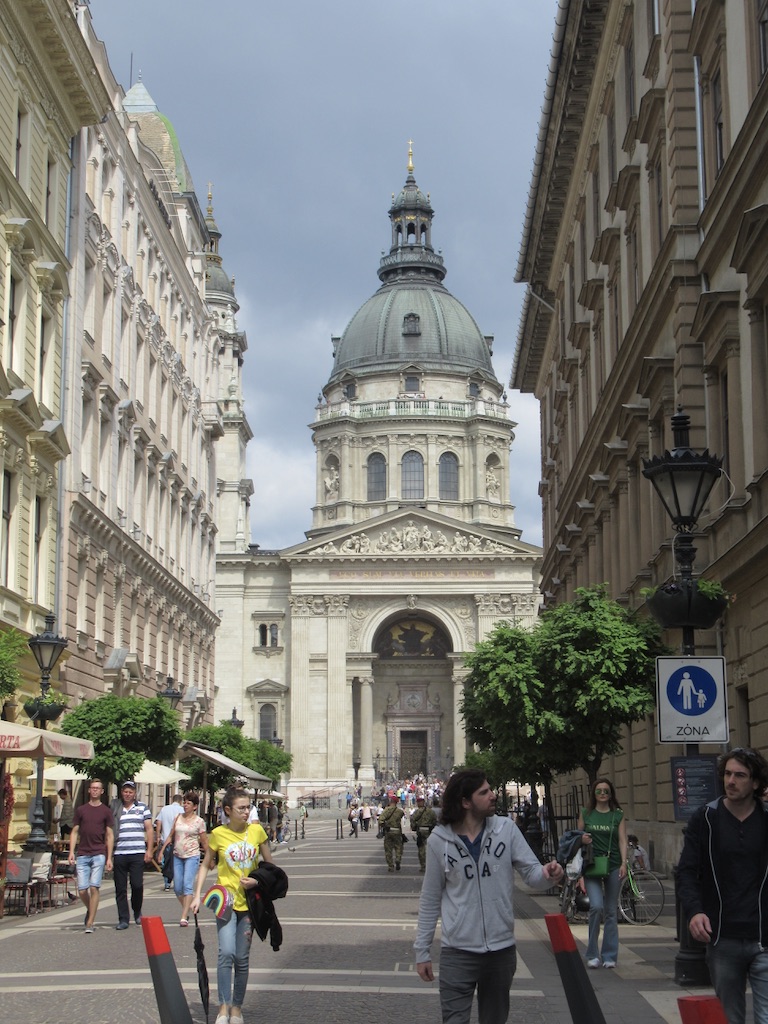
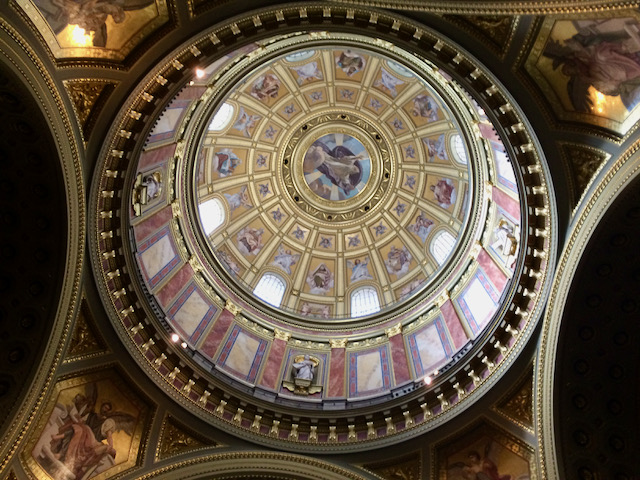
St. Stephen’s Basilica


Other Things to Do in Budapest

  • Stroll or bike along the Danube
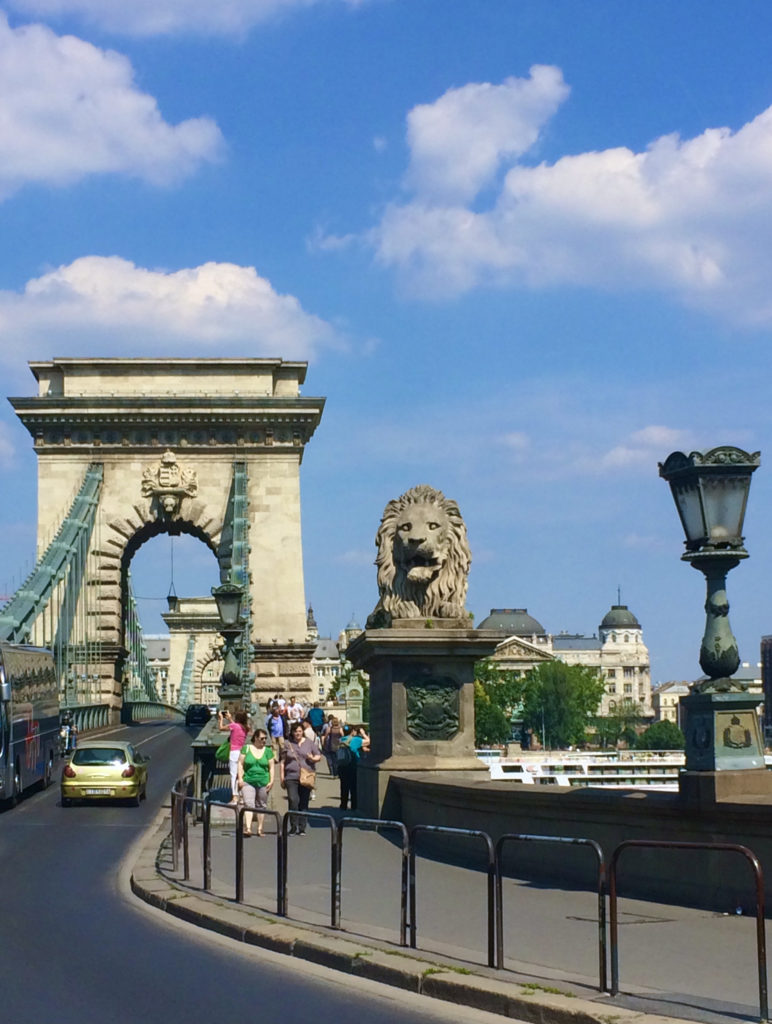
  • Walk across the Chain Bridge, is one of the most famous landmarks in Budapest. Guarded on either side by ferocious stone lions and gothic lamp posts, this stroll is impressive at day or night. 
  • We did not make it to the House of Terror on either trip, but I would definitely go here next time we visit. This museum is filled with exhibitions about the successive Fascist and Communist regimes which ruled Hungary during the 20th Century. You can apparently tour the former prison, located in the basement of the former headquarters of the Fascist Arrow Cross party.
  • Fisherman’s Bastion
  • Central Market Hall
  • Take the funicular  to the top of Buda Hill
  • Take an evening cruise down the Danube
  • Take the ferry to the end of the line and explore a rural town
  • Wine tasting in Etyek, the country’s wine region
  • Cool down with a visit to the Ice Bar
  • Visit the New York Cafe

Leave a Comment

Your email address will not be published. Required fields are marked *